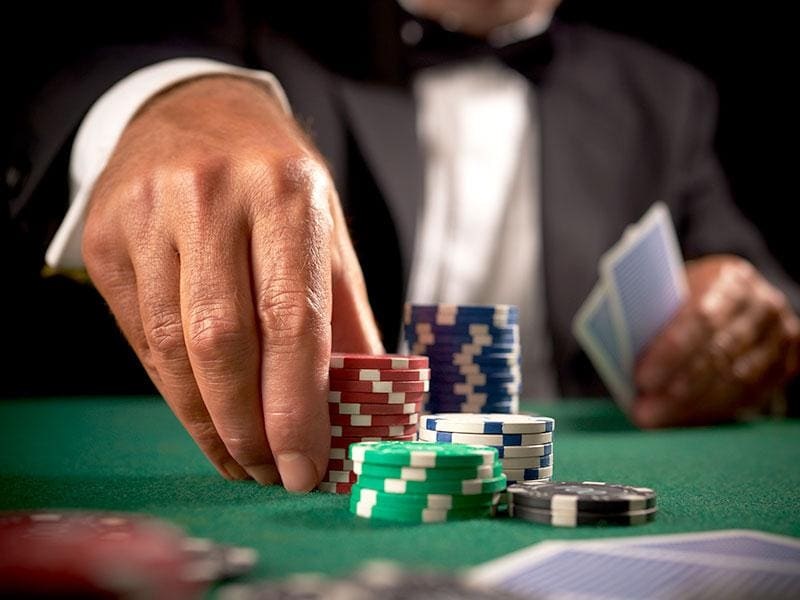
The Psychological Costs of Gambling
The psychological toll of gambling often goes unnoticed, overshadowed by the excitement and thrill of the game. Gamblers may initially perceive the experience as purely recreational, but the stakes can escalate rapidly as they chase wins or attempt to recover losses. This creates a cycle of anxiety and stress that can permeate various aspects of life, leading to negative emotional states such as depression and isolation. As individuals find themselves trapped in this cycle, they may seek out entertainment options like payid pokies to escape their problems, while the mental cost becomes significant, often manifesting in strained relationships and a deteriorating sense of self-worth.

Furthermore, the psychological costs can extend to the realm of addiction, which is a serious concern for many gamblers. The thrill associated with winning can create an intoxicating rush, making it increasingly difficult to walk away. The dopamine release during winning moments can lead to an insatiable craving for that high, prompting individuals to gamble more than they originally intended. As a result, gambling can transform from a leisure activity into an obsession that impacts personal, social, and financial health.
Moreover, the stigma surrounding gambling addiction often discourages individuals from seeking help. Many gamblers may feel ashamed of their behavior, fearing judgment from family and friends. This can lead to a sense of loneliness and helplessness, further complicating their emotional landscape. Professional therapy, support groups, and educational resources can offer assistance, but the psychological costs of gambling often lead to a reluctance to confront the issue, perpetuating the cycle of distress. In many cases, the fear of facing these psychological consequences can result in individuals avoiding discussions about their gambling habits altogether, which can lead to worsening situations.
The Financial Implications of Casino Gambling
While many individuals enter casinos with the hope of winning big, the financial implications often tell a different story. Many gamblers fail to account for the various expenses associated with their visits. Beyond the money spent on games, there are often hidden costs such as tips for dealers, food and drink expenses, and transportation costs. These additional expenditures can accumulate quickly, contributing to an overall financial burden that is frequently overlooked by players. For instance, a night out at a casino might seem like a simple entertainment expense, but when accounting for these additional costs, the total can be significantly higher than anticipated.
The concept of the “gambler’s fallacy” can also amplify financial difficulties. This cognitive bias leads players to believe that past outcomes influence future results. For instance, a gambler who has lost several bets may continue to wager in the naive hope that a win is “due.” This mentality can quickly drain a bankroll, as players invest more money trying to turn their luck around, often leading to greater losses than initially anticipated. The belief that they can outsmart the odds can result in a compulsion to keep gambling, even when it is clear that it is not a sound financial decision.
Additionally, the financial impact of gambling can extend far beyond the immediate losses at the casino. Many individuals may find themselves dipping into savings or accumulating debt in an attempt to fuel their gambling habits. With easy access to credit cards and loans, the risk of falling into financial distress increases. Consequently, the hidden costs of gambling can create long-term financial instability that can take years to recover from, impacting not only the individual but also their families and communities. This financial burden can lead to a cascade of problems, affecting credit scores, personal relationships, and overall quality of life.
The Social Costs of Gambling
Gambling, particularly in casinos, can create significant social costs that are often overlooked. Friends and family members may find themselves affected by a gambler’s decisions, experiencing frustration, anger, and even financial repercussions. Relationships can become strained as the gambler prioritizes their gaming experience over meaningful connections with loved ones. In more serious cases, this can lead to a breakdown of trust and severe emotional distress among family members. The emotional fallout can affect not just the gambler but also the immediate circle, causing rifts that may take years to heal.
Moreover, the social environment of casinos can nurture risky behaviors and peer pressures. Individuals may find themselves drawn into higher stakes games or betting more aggressively due to the social atmosphere. The desire to fit in or impress peers can often lead to reckless financial decisions, further entrenching the player in the cycle of gambling. Additionally, the allure of social connections within the casino may distract from recognizing the potential harms of excessive gambling. This social dynamic can perpetuate a culture of gambling that makes it harder for individuals to step back and assess their behaviors critically.
Furthermore, the impact of a gambling habit can extend into the community level. Increased gambling activity can lead to higher rates of crime and public disorder in areas surrounding casinos. Individuals may resort to theft, fraud, or other illegal activities in order to fund their gambling habits. This ripple effect can tarnish the reputation of neighborhoods and create an environment where responsible behavior becomes overshadowed by desperation and addiction. The community may bear the brunt of these issues, with increased demand for social services and support systems to address the fallout from gambling-related problems.
Understanding the Odds and House Edge
To navigate the hidden costs of casino gambling, it is crucial for players to understand the odds and the house edge. Each game has a built-in advantage for the casino, known as the house edge, which varies between games and types of bets. For instance, slot machines typically hold a higher house edge compared to games like poker, where skilled players may mitigate the casino’s advantage. Understanding how odds work can enable players to make more informed decisions, potentially reducing their losses. This knowledge can empower individuals to engage with gambling more strategically, rather than simply hoping for luck to be on their side.
Moreover, many gamblers do not realize that the odds are not usually in their favor, especially over the long term. While it’s possible to win in a single session, the statistical reality is that the more one plays, the more likely they are to lose money. This stark truth often contrasts with the excitement generated by promotions and advertisements proclaiming the potential for winning. A deeper understanding of these principles can help mitigate some of the hidden costs associated with gambling, as it encourages a more realistic perspective on what to expect from gaming activities.
Additionally, educating oneself about gambling strategies and bankroll management can be integral to maintaining control. Recognizing when to stop and establishing limits can foster a healthier relationship with gambling. Players should approach gambling as a form of entertainment rather than a financial strategy, allowing them to enjoy their experience without falling prey to the hidden costs that frequently accompany casino play. By treating gambling with respect and caution, individuals can navigate their experiences more safely and responsibly.
Conclusion: Exploring Resources for Responsible Gambling
As the hidden costs of gambling in casinos become apparent, it is essential for players to explore resources for responsible gambling. Websites and organizations dedicated to educating individuals about the risks and realities of gambling can provide valuable insights. These resources often offer tools such as self-assessment quizzes, strategies for managing gambling behavior, and avenues for seeking help when needed. It is important for players to recognize when they need support, as addressing these hidden costs can facilitate a healthier approach to gaming. Emphasizing education and self-awareness can empower individuals to make informed decisions and seek help when necessary.
Furthermore, many casinos themselves have begun implementing responsible gambling initiatives, providing information and support to patrons who may be at risk. These programs aim to promote awareness of gambling addiction and encourage responsible behavior. Whether through limit-setting tools or self-exclusion programs, resources are available to help mitigate the hidden costs of gambling. By engaging with these initiatives, players can better manage their gambling habits and foster a safer gaming environment for themselves and their communities.
In conclusion, while the allure of casinos may be compelling, understanding the multifaceted hidden costs associated with gambling can empower individuals to make informed choices. By acknowledging the psychological, financial, social, and strategic aspects of gambling, players can navigate their experiences more wisely. Evaluating personal habits and seeking assistance when necessary can lead to a more enjoyable and responsible approach to gambling, ensuring that it remains a form of entertainment rather than a burden. This well-rounded understanding can ultimately lead to healthier gaming practices and a more positive experience overall.