
The Thrill of Uncertainty
The allure of casinos often lies in the thrilling unpredictability they offer. For many, the excitement that comes from placing a bet and the potential for an unexpected windfall create a significant draw. This element of chance sparks a rush of adrenaline, making each visit an exhilarating experience. The anticipation of winning, coupled with the fear of losing, creates a compelling mix that keeps individuals returning to the gaming tables time after time. Many players are intrigued by options like anonymous casinos , where every spin of the wheel or roll of the dice can lead to a life-changing moment, and that uncertainty is what keeps the excitement alive.
Moreover, the atmosphere in casinos is often designed to heighten this sense of thrill. Bright lights, lively sounds, and a bustling crowd all contribute to an environment that stimulates the senses. This immersive experience can provide an escape from the monotony of everyday life, creating a space where individuals can forget their worries for a while. The combination of entertainment and potential financial gain is a powerful motivator, compelling many to seek out the casino experience. It becomes a sanctuary for those looking to indulge in a world of excitement, making the risks seem less significant compared to the allure of the experience.
Consequently, even those who understand the risks involved may find it hard to resist the magnetic pull of casinos. The desire for thrill-seeking behavior is not exclusive to gambling; many individuals engage in high-risk activities in pursuit of excitement. Casinos encapsulate this spirit, offering a unique combination of risk and reward which resonates deeply within human nature. The thrill of uncertainty can become addictive, leading to a repetitive cycle of visits despite the potential for loss, as individuals continuously chase that next big thrill.
The Social Aspect of Gambling
Casinos serve as social hubs where individuals gather not just to gamble but to connect with others. The communal atmosphere fosters interaction, making it a popular venue for friends, families, and couples. People flock to these establishments not only for the games but also for the chance to socialize and enjoy each other’s company in a vibrant setting. The shared experience of gambling can strengthen bonds and create lasting memories, enhancing the appeal of casino visits. For many, it is not just about winning money; it is about the shared laughter and excitement that comes with each game.
In addition to traditional social interactions, casinos often host various events and entertainment options, further promoting socialization. Live music, shows, and themed nights attract crowds looking for a fun night out. By offering much more than just gambling, casinos become attractive destinations that cater to social needs as well. This blend of entertainment and community makes it hard for individuals to resist the call of visiting a casino, as they can enjoy multiple forms of escapism all in one place. The vibrant nightlife, coupled with the energy of other guests, creates an environment that is hard to replicate elsewhere.

Furthermore, the social aspect can lead to a phenomenon known as “peer influence,” where individuals may feel compelled to gamble due to the presence of friends or peers. In social settings, people may be more inclined to take risks they wouldn’t normally consider alone. This dynamic creates an environment where the lessons of individual decision-making can be overridden by the excitement of socializing, thus driving even more people to casinos. The camaraderie and sense of belonging found in such places often outweigh personal reservations about the inherent risks involved in gambling.
The Promise of Winning
One of the most significant factors that draw people to casinos is the potential for winning big. For many, the dream of hitting a jackpot or turning a small bet into a life-changing sum of money is incredibly enticing. This promise of wealth can blind individuals to the realities of gambling odds, creating a narrative that reinforces their decision to participate. Whether it’s a slot machine or a high-stakes poker table, the allure of a potential windfall is a powerful motivator. The thought of being the next big winner feeds into the excitement, drawing people into the gaming atmosphere.
Additionally, stories of real-life winners circulate widely, often glamorized in media and entertainment. These tales of luck and fortune foster the belief that anyone can walk away as a winner, feeding the desire to try one’s hand at the games. Even when the odds are stacked against them, the hope of victory can overshadow the realities of losing, making people willing to risk their money for the chance of a significant reward. This “lottery mindset” reinforces the idea that gambling can lead to riches, drawing more individuals to casinos, often with little regard for the risks involved.
Moreover, promotional strategies employed by casinos, such as offering bonuses, free plays, or loyalty programs, enhance the perception of winning. These incentives create an illusion of a better chance to win or recoup some losses, encouraging gamblers to engage with the games. As many individuals find themselves in a cycle of chasing losses, the belief that the next game could be the one that brings fortune drives continued participation. This ongoing pursuit of a big win keeps the excitement alive, even when faced with the reality of potential financial loss.
The Escape from Reality
For many individuals, casinos offer an escape from the stresses of daily life. Engaging in gambling can serve as a distraction from personal problems, financial issues, and various life pressures. The atmospheric allure of casinos—complete with vibrant lights, lively sounds, and an energetic ambiance—creates a distraction that allows players to momentarily forget their troubles. This escapism is often one of the primary reasons people are drawn to casinos. In a world filled with responsibilities, the chance to immerse oneself in a different environment can be incredibly appealing.
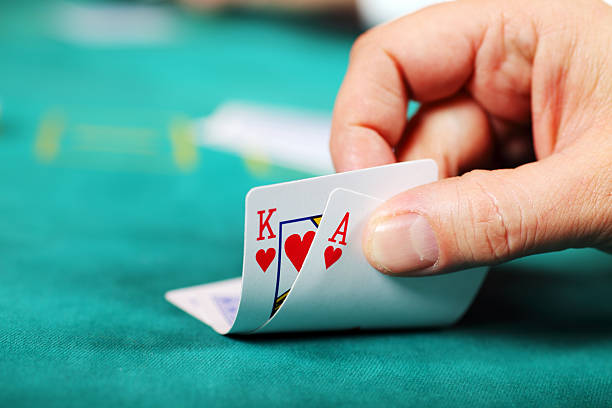
Additionally, the act of gambling can induce a sense of freedom and autonomy. When people step into a casino, they enter a realm where they can make decisions based solely on their desires without the constraints of everyday responsibilities. This break from reality can be immensely liberating, fostering a temporary sense of control and excitement. It’s not uncommon for individuals to seek refuge in casinos during tough times, treating gambling as a way to cope with the uncertainties of life. The thrill of the games becomes a welcome distraction that offers a respite from daily burdens.
However, while this escape can be enjoyable in moderation, it can also lead to detrimental consequences if taken too far. Many individuals may find themselves struggling with the balance between enjoying gambling for fun and becoming overwhelmed by its potential risks. Despite this, the desire for a temporary reprieve from the real world often overshadows any concerns about the implications of continued gambling. This cycle of escapism ensures that casinos remain a popular choice for those seeking to detach from their daily lives, even if it comes with inherent risks.
Understanding the Complex Relationship with Risk at Casinos
The relationship between gamblers and risk is a complex one, often marred by cognitive biases and emotional factors. Many individuals sincerely believe they can outsmart the system, resulting in a sense of invulnerability that compels them to ignore the inherent risks. This skewed perception can create a false confidence that leads to increased gambling activity, despite knowing the statistical realities. Behavioral economics sheds light on this phenomenon, illustrating how emotional responses can often override logical thinking. The excitement of the game can cloud judgment, making individuals less aware of the actual risks they are taking.
Additionally, the design and marketing of casinos contribute significantly to this complex relationship with risk. The placement of games, the sounds of winning, and the aesthetics of success are all carefully curated to create an environment where individuals feel compelled to engage and take risks. A casino is a carefully crafted illusion, drawing people in with the promise of winning while masking the underlying risks associated with gambling. This environment fosters a sense of community and excitement that can make it difficult for individuals to assess their own limits realistically.
As more individuals grapple with the balance between risk and reward, it becomes evident that education and awareness play key roles in shaping gaming habits. Understanding the risks of gambling and having a realistic viewpoint can help mitigate some of the potential downsides. Encouraging responsible gaming practices and promoting awareness of the psychological aspects of risk can pave the way for healthier interactions with casinos, allowing individuals to enjoy the experience while keeping risks in check. Ultimately, fostering a culture of informed decision-making is essential for ensuring that the thrill of gambling does not lead to harmful outcomes.